
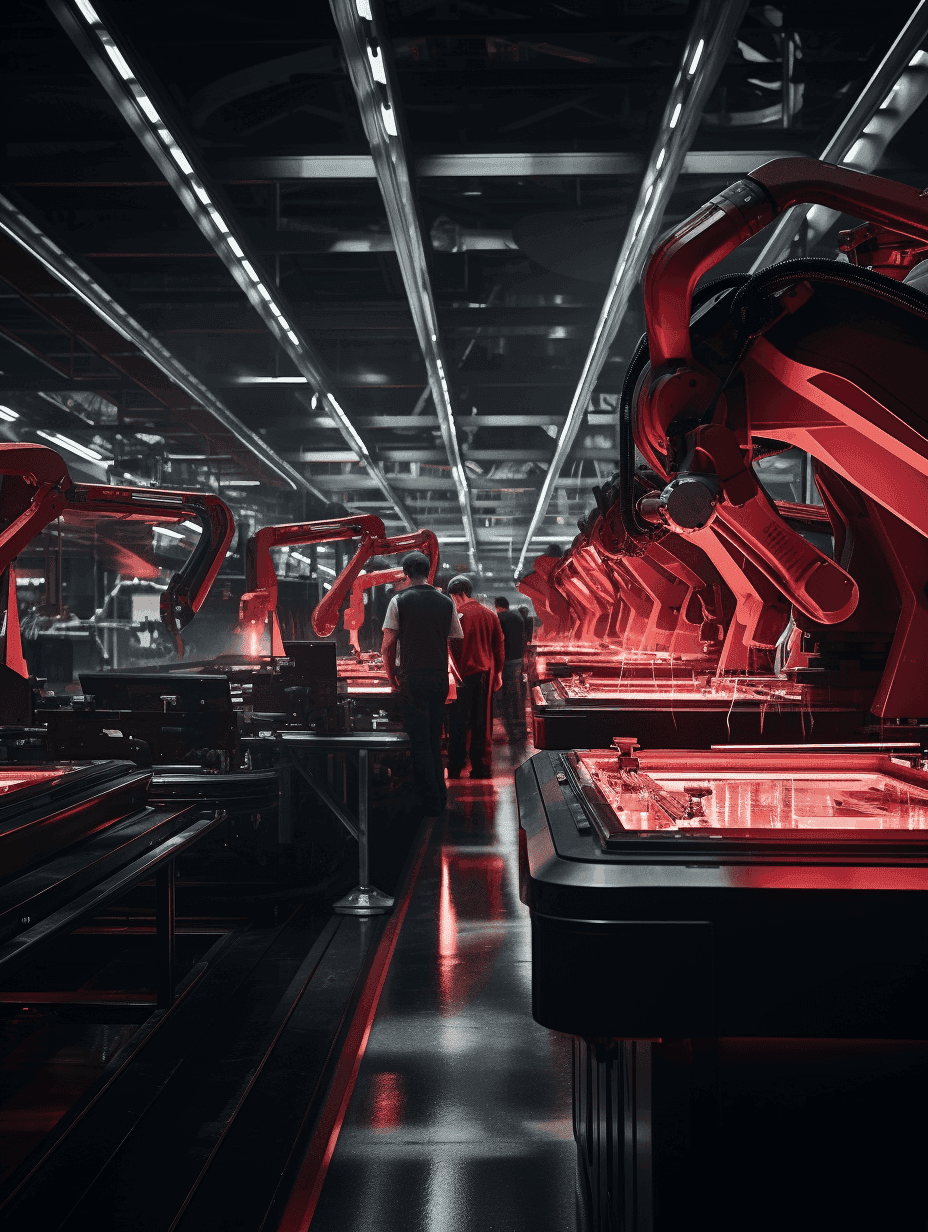
As artificial intelligence (AI) continues to evolve, it's transforming industries in ways we couldn't have imagined just a few years ago. One of the most powerful applications of AI is automation, allowing businesses to streamline processes, reduce operational costs, and enhance productivity. Automation is no longer just a tool for tech giants—businesses of all sizes can harness AI to gain a competitive edge and adapt to the rapidly changing digital landscape.
In this article, we'll explore how AI-driven automation is shaping the future of business and how you can leverage it to grow and innovate.
1. Boosting Efficiency by Automating Repetitive Tasks
One of the most significant benefits of AI is its ability to automate routine, repetitive tasks that consume valuable time and resources. Tasks such as data entry, scheduling, customer support, and financial reporting can be managed by AI-powered tools, allowing your team to focus on higher-value activities.
For instance, AI can automate the process of managing invoices, sending reminders, and processing payments—eliminating human error and reducing time spent on manual work. In customer service, AI-driven chatbots can handle a wide range of queries, providing instant responses to customers and freeing up human agents to handle more complex issues.
How it helps your business: Automating repetitive tasks leads to significant time savings, reduces human error, and improves overall productivity, allowing your team to focus on innovation and strategy.
2. Enhancing Decision-Making with Data Analytics
AI-powered analytics tools can process vast amounts of data to identify patterns and trends that would be impossible for humans to detect manually. This capability enables more informed decision-making across all levels of your organization.
By implementing AI analytics, businesses can forecast sales trends, predict customer behavior, optimize inventory management, and identify operational inefficiencies. These insights allow leaders to make strategic decisions based on data rather than intuition alone.
How it helps your business: Data-driven decision-making reduces risk, improves resource allocation, and enables your business to respond more quickly to market changes and customer needs.
3. Personalizing Customer Experiences at Scale
AI enables businesses to deliver personalized experiences to thousands or even millions of customers simultaneously. By analyzing customer data, AI can tailor product recommendations, content, and marketing messages to individual preferences and behaviors.
E-commerce platforms use AI to recommend products based on browsing history and purchase patterns. Content platforms use it to suggest articles or videos that match user interests. Marketing teams use AI to segment audiences and deliver personalized email campaigns that resonate with each recipient.
How it helps your business: Personalization drives customer engagement, increases conversion rates, and builds loyalty by making each customer feel understood and valued.
4. Streamlining Operations with Predictive Maintenance
For businesses that rely on equipment and machinery, AI-powered predictive maintenance can significantly reduce downtime and maintenance costs. By analyzing data from sensors and monitoring systems, AI can predict when equipment is likely to fail and recommend preventive maintenance before problems occur.
This approach shifts maintenance from a reactive to a proactive model, minimizing unexpected breakdowns and extending the lifespan of valuable assets.
How it helps your business: Predictive maintenance reduces operational disruptions, lowers maintenance costs, and improves overall equipment effectiveness.
5. Enhancing Security and Fraud Detection
AI systems excel at detecting anomalies and patterns that may indicate security threats or fraudulent activity. By continuously monitoring transactions, network activity, and user behavior, AI can identify potential issues in real-time and trigger appropriate responses.
Financial institutions use AI to flag unusual transactions that may indicate fraud. Cybersecurity teams use it to detect and respond to network intrusions. E-commerce platforms use AI to verify user identities and prevent account takeovers.
How it helps your business: Enhanced security protects your assets, maintains customer trust, and reduces the financial impact of fraud and data breaches.
Implementing AI Automation in Your Business
Adopting AI automation doesn't have to be overwhelming. Here's a practical approach to getting started:
- Identify opportunities: Assess your business processes to identify repetitive, time-consuming tasks that could benefit from automation.
- Start small: Begin with a pilot project that addresses a specific pain point and can demonstrate clear ROI.
- Choose the right tools: Select AI solutions that integrate with your existing systems and are appropriate for your business size and needs.
- Prepare your team: Provide training and clear communication about how AI will support (not replace) your workforce.
- Measure results: Track key performance indicators before and after implementation to quantify the impact of your AI initiatives.
The Future of AI Automation
As AI technology continues to advance, we can expect even more sophisticated automation capabilities. Emerging trends include:
- Autonomous decision-making systems that can handle complex scenarios with minimal human oversight
- Enhanced natural language processing that enables more human-like interactions with AI systems
- Collaborative robots that work alongside humans in physical environments
- Hyper-personalization that anticipates customer needs before they're expressed
Conclusion
AI-powered automation represents a transformative opportunity for businesses of all sizes. By strategically implementing automation in key areas of your operation, you can reduce costs, improve efficiency, enhance customer experiences, and position your company for long-term success in an increasingly competitive landscape.
Remember, the goal isn't to replace human workers but to augment their capabilities by handling routine tasks and providing insights that enable more strategic decision-making. The businesses that thrive in the coming years will be those that successfully blend human creativity and strategic thinking with the efficiency and scalability of AI automation.